Featured Post

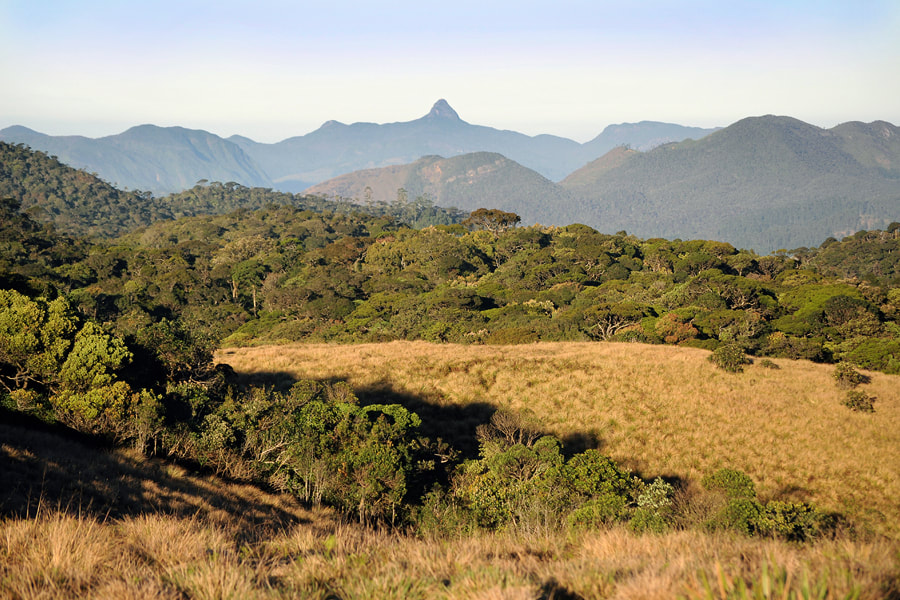
Exploring the Beauty of Horton Plains National Park - Sri Lanka

If you're a nature enthusiast, hiker, or wildlife lover, Horton Plains National Park should be on your must-visit list. Nestled in the c...

Thursday, October 17, 2024

Exploring the Natural Wonders of Wasgamuwa National Park


Nestled in the heart of Sri Lanka, Wasgamuwa National Park is a hidden gem that showcases the country’s rich biodiversity and stunning landscapes. Established in 1984, this national park spans approximately 39,000 acres and is located in the Matale and Polonnaruwa districts, making it an ideal destination for nature lovers and wildlife enthusiasts alike.

A Diverse Ecosystem

Wasgamuwa National Park is renowned for its diverse ecosystems, which include lush forests, open grasslands, and picturesque wetlands. The park is home to a variety of flora and fauna, including several endemic species. Visitors can expect to see towering trees, vibrant wildflowers, and a myriad of wildlife that inhabit the area.

Wildlife Encounters

One of the park's main attractions is its impressive array of wildlife. Wasgamuwa is particularly famous for its population of Sri Lankan elephants, which can often be seen roaming freely in the grasslands. In addition to elephants, the park is home to several other mammals, including leopards, sloth bears, and deer species. Birdwatchers will also find delight in the numerous bird species that call Wasgamuwa home, with over 150 species recorded in the area, including the majestic Malabar pied hornbill and the vibrant red-faced malkoha.

Adventure and Activities

Visitors to Wasgamuwa National Park can partake in a variety of activities to fully immerse themselves in the natural beauty of the area. Guided safaris offer an opportunity to explore the park’s vast landscapes and encounter wildlife up close. The best time for wildlife sightings is typically during the early morning and late afternoon when animals are most active.

For those who prefer a more tranquil experience, birdwatching and nature walks provide a chance to appreciate the park’s unique ecosystems and learn about its flora and fauna. Photography enthusiasts will find countless opportunities to capture stunning landscapes and wildlife moments.

Conservation Efforts

As a protected area, Wasgamuwa National Park plays a vital role in conservation efforts in Sri Lanka. The park aims to preserve its unique ecosystems and the wildlife that inhabit it. Visitors are encouraged to respect the natural environment and follow park regulations to ensure that this beautiful destination remains preserved for future generations.

Planning Your Visit

To make the most of your trip to Wasgamuwa National Park, consider visiting during the dry season, which typically runs from May to September. This period offers the best opportunities for wildlife sightings, as animals are more likely to congregate around water sources.

When planning your visit, it’s advisable to arrange guided tours through local operators who are familiar with the park and its wildlife. They can provide valuable insights and enhance your experience in the park.

Conclusion

Wasgamuwa National Park is a treasure trove of natural beauty and biodiversity, making it a must-visit destination for anyone travelling to Sri Lanka. Whether you’re an avid wildlife enthusiast, a photography lover, or simply looking to reconnect with nature, Wasgamuwa offers an unforgettable experience. Embrace the tranquillity of the wilderness, and let the charm of this national park leave you with cherished memories of Sri Lanka’s captivating wildlife and landscapes.

Discovering the Serenity of Nilaveli Beach


Nestled along the northeastern coast of Sri Lanka, Nilaveli Beach is a hidden gem that captivates visitors with its pristine beauty and tranquil atmosphere. Known for its soft white sands and crystal-clear turquoise waters, Nilaveli is the perfect destination for anyone seeking relaxation, adventure, or a mix of both.

The Allure of Nilaveli Beach

As you step onto the powdery sands of Nilaveli Beach, you’re immediately embraced by the warm sun and gentle ocean breeze. The beach stretches for miles, providing ample space for sunbathing, leisurely walks, or simply unwinding with a good book. The surrounding palm trees sway gently, creating a tropical paradise that feels like a world away from the hustle and bustle of everyday life.

Activities to Enjoy

  1. Snorkelling and Diving: One of the most popular activities in Nilaveli is snorkelling and diving. The nearby Pigeon Island National Park is renowned for its vibrant coral reefs and diverse marine life. Snorkelers can expect to see colourful fish, sea turtles, and even the occasional reef shark. For certified divers, guided tours are available to explore deeper underwater wonders.

  2. Boat Tours: Exploring the coastline by boat is a fantastic way to appreciate the stunning views and discover hidden coves. Many local operators offer boat tours, which can include dolphin watching or trips to nearby islands. The sight of playful dolphins jumping through the waves is an unforgettable experience.

  3. Relaxing by the Beach: Sometimes, the best activity is simply soaking up the sun. Nilaveli Beach is ideal for lounging with a cocktail in hand or enjoying a picnic with friends and family. The serene environment allows for peaceful moments of reflection and relaxation.

  4. Local Cuisine: No trip to Nilaveli is complete without sampling the delicious local cuisine. Many beachfront restaurants serve fresh seafood, traditional Sri Lankan dishes, and international fare. Be sure to try the local delicacies, such as crab curry and spicy fish, paired with a refreshing drink.

Best Time to Visit

The best time to visit Nilaveli Beach is between April and October when the weather is warm and dry. During this period, the sea is calm, making it perfect for swimming, snorkelling, and other water activities. However, the off-peak season can also offer a quieter experience, allowing for a more intimate connection with nature.

Getting There

Nilaveli Beach is easily accessible from Trincomalee, a major city located about 16 kilometres away. Visitors can reach Nilaveli by taxi, tuk-tuk, or even by bus. The scenic drive along the coast offers breathtaking views, making the journey just as enjoyable as the destination.

Conclusion

Nilaveli Beach is a must-visit destination for anyone travelling to Sri Lanka. Its natural beauty, array of activities, and serene atmosphere make it a perfect escape for travellers of all kinds. Whether you’re looking to relax on the beach, explore underwater wonders, or indulge in local flavours, Nilaveli promises an unforgettable experience that will leave you longing to return.

Pack your bags and get ready to create lasting memories in this tropical paradise!

Wednesday, October 16, 2024

The History of Galle Fort: A Timeless Monument of Sri Lanka’s Colonial Legacy


Nestled on the southern coast of Sri Lanka, Galle Fort stands as one of the most iconic symbols of the island’s colonial history. Built by the Portuguese in the 16th century, expanded by the Dutch, and later taken over by the British, Galle Fort reflects centuries of architectural brilliance, cultural integration, and historical significance. Today, it is recognized as a UNESCO World Heritage Site, attracting visitors worldwide.

The Portuguese Era: Laying the Foundation (1505 - 1640)

The history of Galle Fort dates back to 1505, when Portuguese explorers, led by Lourenço de Almeida, arrived on the island's shores. They identified Galle as a strategic port due to its natural harbor. In 1588, the Portuguese began constructing the original fortifications to protect the port and safeguard their trading routes. Their initial structure was relatively simple and was mainly built to fend off attacks from both local kingdoms and other European powers.

However, the Portuguese’s influence in Galle was short-lived. While they managed to establish a foothold, their control over the region was constantly challenged by the local Sinhalese rulers and the growing power of the Dutch.

The Dutch Expansion: Galle Fort Takes Shape (1640 - 1796)

In 1640, the Dutch, allied with the Kingdom of Kandy, captured Galle from the Portuguese. The Dutch East India Company (VOC) quickly recognized the fort’s potential and embarked on a project to fortify and expand it. The present-day structure of Galle Fort owes much of its design and architecture to this period.

The Dutch reinforced the fort using coral and granite, creating massive ramparts, bastions, and a grid-like street plan inside the fort walls. The influence of Dutch architecture is visible throughout the fort, with solid, stately buildings and intricate details. The Dutch Reformed Church, which still stands today, is a testament to their religious and cultural influence.

Inside the walls, the Dutch also built residential quarters, warehouses, administrative offices, and even an intricate drainage system, which was ahead of its time. The fort became a bustling center for trade, especially for spices, and remained under Dutch control until the late 18th century.

The British Era: A New Chapter (1796 - 1948)

In 1796, following the fall of the Dutch Republic to the French, the British took over the coastal regions of Sri Lanka, including Galle Fort. Although the British used the fort for administrative purposes, they made minimal architectural changes. One of the significant British additions was the construction of a lighthouse at the fort’s southern point, which replaced the original Dutch structure destroyed by fire.

Under British rule, Galle Fort continued to be an important trading hub, though it began to lose prominence to Colombo, the new capital of British Ceylon. The British maintained the fort’s structure, and its historical significance was preserved, albeit with some modernization.

Post-Independence: Galle Fort’s Revival

After Sri Lanka gained independence in 1948, Galle Fort remained a relic of the colonial past. In the decades that followed, the fort’s historical value became increasingly recognized, and in 1988, it was declared a UNESCO World Heritage Site.

In the 21st century, Galle Fort has undergone significant restoration. It has become a vibrant hub for tourism, art, and culture, with numerous boutique hotels, restaurants, and shops housed in beautifully restored colonial buildings. Despite modern developments, the fort retains its historical charm, offering visitors a glimpse into Sri Lanka’s complex colonial history.

A Living Monument

Today, Galle Fort is not just an archaeological site but a living monument. Thousands of people still live within its walls, blending the old with the new. As you walk along the cobbled streets, you’ll encounter Dutch, Portuguese, and British influences coexisting with Sri Lankan culture. The annual Galle Literary Festival also draws international attention, further highlighting the fort’s status as a cultural beacon.

Conclusion

Galle Fort stands as a testament to the resilience and transformation of a city shaped by colonial powers. Its walls have witnessed the rise and fall of empires, the exchange of goods and ideas, and the blending of diverse cultures. Whether you're a history enthusiast, an architecture lover, or a curious traveller, Galle Fort offers an unforgettable journey through time.

From the Portuguese to the Dutch, and finally the British, each layer of Galle Fort tells a different story, making it one of Sri Lanka’s most remarkable historical treasures.